Added
Nov 3, 2026
Type
For Sale
Condition
new
Views
2
Country
India
States
All
Ratings:
 (No Ratings Yet)
 Loading...
Description:
Passing the Cisco Certified Network Associate (CCNA) (https://www.icertglobal.com/cisco/ccna) exam is widely recognized as one of the most foundational milestones in the IT industry. Whether you are starting fresh or transitioning from another technical role, a CCNA certification validates your ability to install, configure, operate, and troubleshoot routed and switched enterprise networks.
Here is how earning a CCNA certification can open doors to exciting networking and IT careers.
1. Core Knowledge Validated by Employers
The CCNA curriculum covers a comprehensive suite of networking fundamentals that modern businesses rely on daily. Earning the certification proves you understand:
Network Fundamentals: Understanding routers, switches, firewalls, and physical cabling topologies.
Network Access: Configuring VLANs, trunking, and inter-switch connectivity.
IP Connectivity & Routing: Working with static routing, OSPF, and basic routing decisions.
IP Services: Managing DHCP, NAT, NTP, and SSH.
Security Fundamentals: Implementing access control lists (ACLs), port security, and basic device hardening.
Automation and Programmability: Understanding how software-defined networking (SDN) and APIs are transforming infrastructure management.
2. Common Job Roles Accessible with a CCNA
A CCNA doesn’t just qualify you for one specific job; it acts as a passport across multiple entry-to-mid-level IT roles:
Network Administrator / Engineer: Monitor network performance, manage hardware, troubleshoot connectivity issues, and implement security policies.
Network Support Specialist: Serve as the frontline technical escalation point for diagnosing complex routing and switching problems.
Systems Administrator: Bridge the gap between server infrastructure and network operations, ensuring servers and cloud environments communicate seamlessly.
SOC (Security Operations Center) Analyst: Leverage foundational networking knowledge to spot anomalies, trace packet paths, and identify unauthorized access attempts.
Field Engineer / Network Installer: Travel to client sites or data centers to deploy routers, switches, and structured cabling.
3. Long-Term CCNA Certification Career Growth (https://www.icertglobal.com/blog/cisco-ccna-certification-career-growth) and Pathways
Beyond landing your first networking job, the CCNA sets the stage for advanced specializations. Network engineering offers clear paths toward higher-earning and more specialized domains:
CCNP (Cisco Certified Network Professional): Dive deeper into Enterprise, Security, Data Center, or Service Provider tracks.
Cloud Architecture: Combine networking skills with AWS, Azure, or GCP certifications to design scalable cloud environments.
Cybersecurity: Move into ethical hacking, penetration testing, or network security engineering with a strong grasp of how packets flow across the wire.
Aldwych legal Category : Education
(No Ratings Yet)Loading...Spread the loveAldwych Legal provides legal guidance and support for individuals and businesses dealing with a range of legal matters. The firm focuses on understanding clients’ needs, explaining available options, and helping them make informed decisions. With an emphasis on clear communication and a professional approach, Aldwych Legal aims to make complex legal issues easier
Learn Microsoft Power BI for Data Visualization and Reporting Category : Education
 (1 votes, average: 5.00 out of 5)Loading...
Spread the loveLearn Microsoft Power BI to create interactive dashboards, analyse data, build reports, and develop practical data visualization skills for real-world business needs. https://www.brillicaservices.com/advance-excel-course-in-delhi
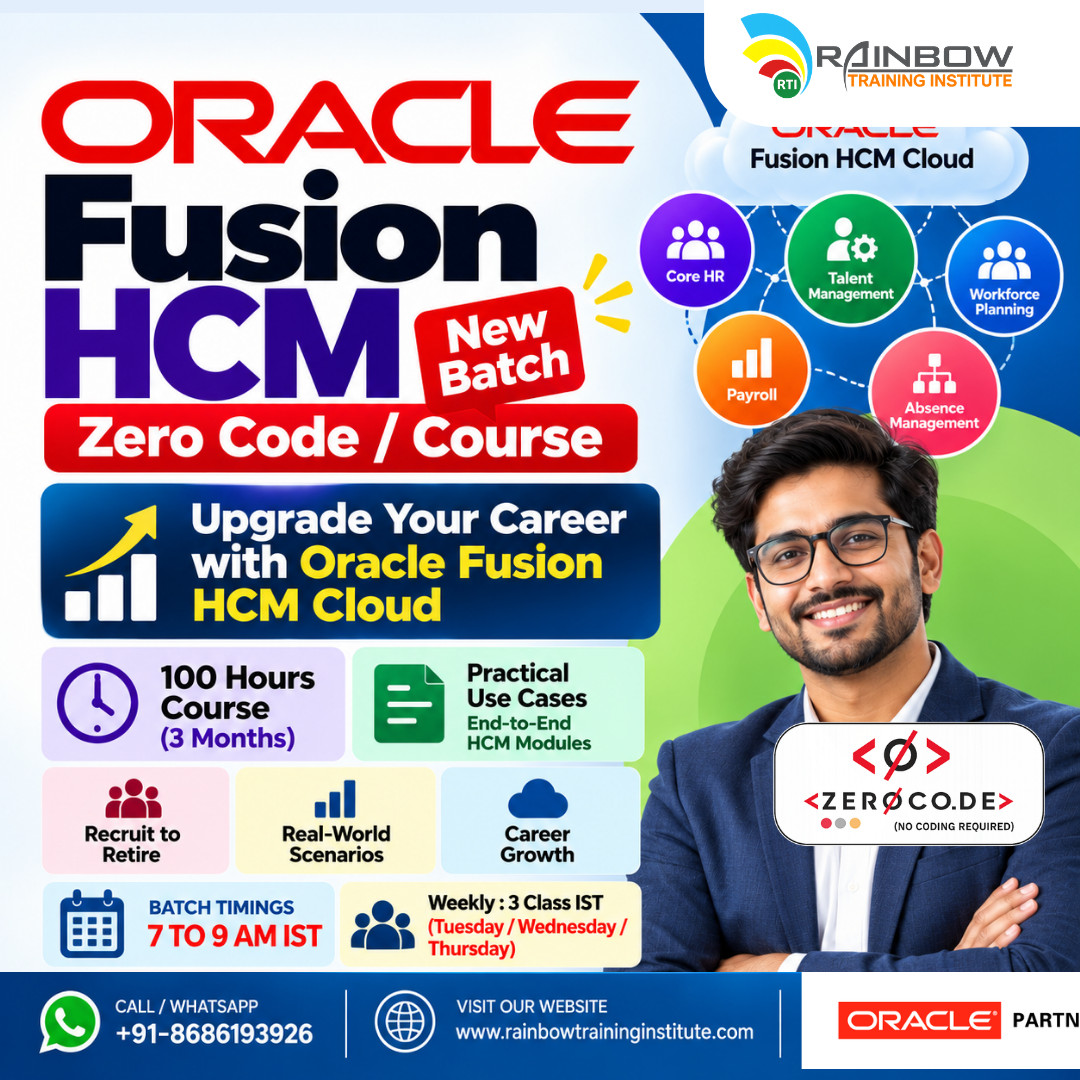
Oracle fusion HCM Online Training Category : Education
(No Ratings Yet)Loading...Spread the loveAre you looking to study Oracle fusion HCM Online Training? Rainbow Training Institute is India’s one of the best institute for Oracle fusion HCM Online & offline training. We have Trained more than 5000 students since 2015.& Get train by real time experts to full fill your dream with Oracle Fusion HCM training.
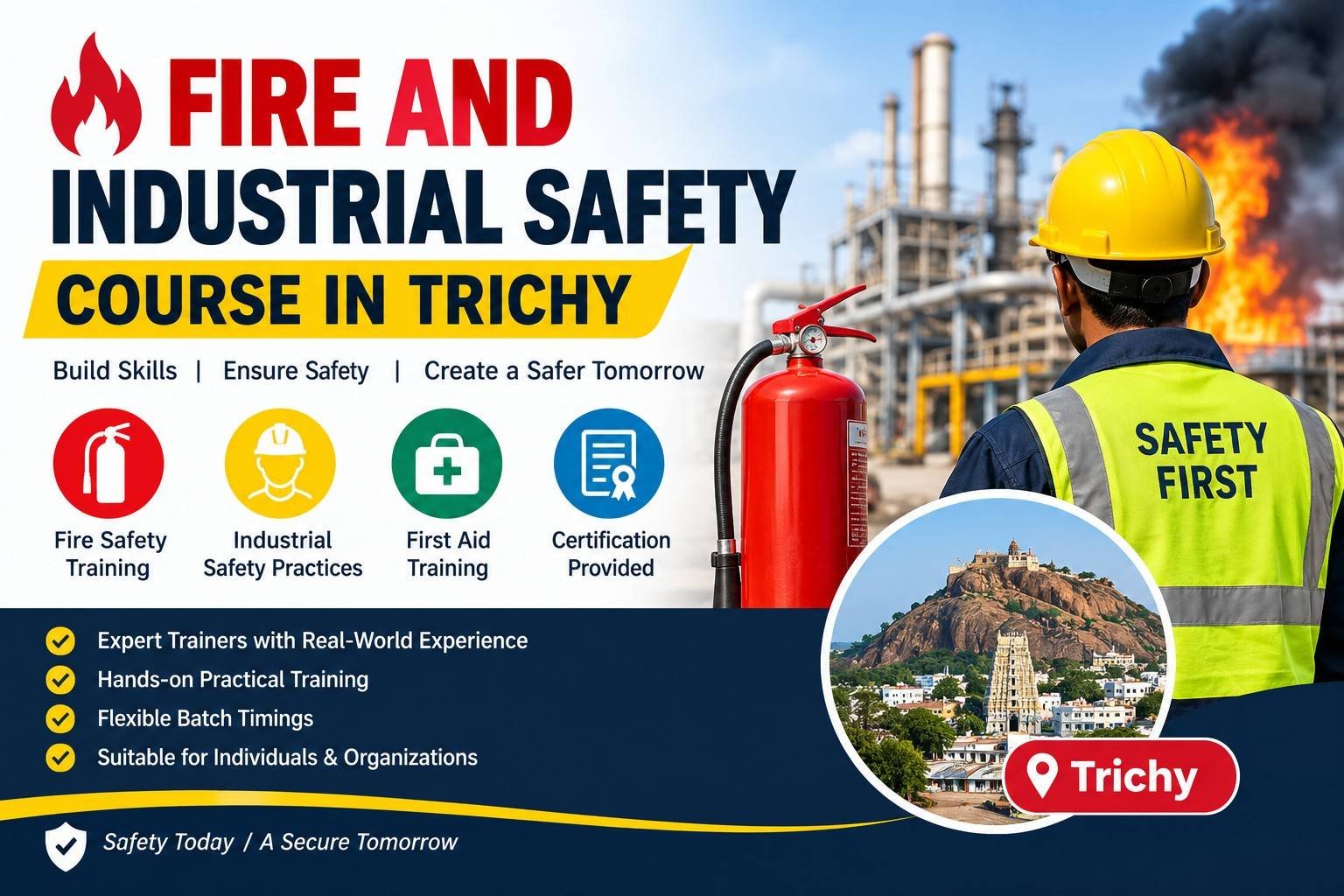
Fire and Industrial Safety Course Category : Education
(No Ratings Yet)Loading...Spread the loveEnroll in the Fire and Industrial Safety Course in Trichy to gain practical skills in fire prevention, workplace safety, risk assessment, and emergency response. Build your knowledge and prepare for career opportunities in industrial safety and HSE.
Digital Marketing Trainer In Agra – Digital Lush Category : Education
(No Ratings Yet)Loading...Spread the loveAgra’s No.1 Digital Marketing Training Institute and Coaching Center Digital Lush Digital Marketing Training Institute & Coaching Center in Agra, offering advanced digital marketing courses led by seasoned industry experts. Our expert-driven curriculum is designed for real-world success, ensuring students gain hands-on experience and practical skills. Whether you’re a student, job seeker, entrepreneur,
Financial Lab Setup for Schools Category : Education
(No Ratings Yet)Loading...Spread the loveSet up a Financial Lab Setup for your school with Finkomm FinLab. Empower students with practical financial literacy through interactive activities, real-world learning, financial games and hands-on experiences. Build essential money management, budgeting, saving and investment skills while creating a future-ready learning environment.
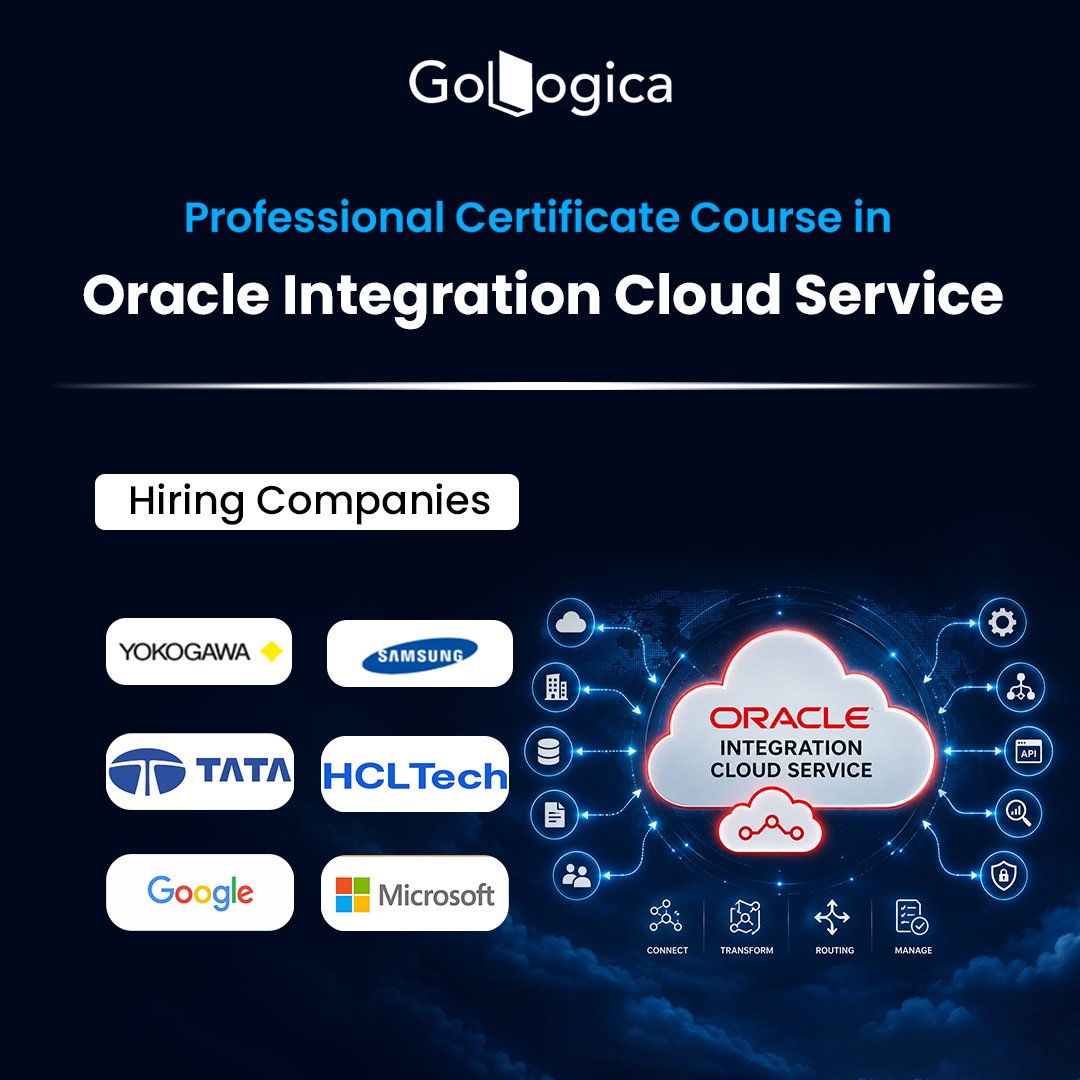
Oracle Integration Cloud Service Training with Certification by GoLogica Category : Education
(No Ratings Yet)Loading...Spread the loveGain hands-on experience with the cloud integration services with GoLogica Oracle Integration Cloud Service (OICS) Training. This online training helps you learn about how Oracle Integration Cloud integrates applications, automates business processes, and manages integrations within the cloud and enterprise environments. https://www.gologica.com/course/oracle-integration-cloud-service-oics-training/ Key topics covered in GoLogica Oracle Integration Cloud Service (OICS) Online
AutoDraft AI Free Create Amazing Animated Videos Online Category : Education
(No Ratings Yet)Loading...Spread the loveDiscover AutoDraft AI Free, an AI-powered creative platform for animation and visual storytelling. Create cartoon characters, generate backgrounds, develop animated scenes, and turn creative ideas into engaging visual content. It offers useful features for content creators, digital artists, and beginners looking to simplify animation projects. Explore AI-powered creative possibilities and find out how
Best Books for Babies That Make Early Reading Meaningful Category : Books
(1 votes, average: 5.00 out of 5)Loading...Spread the loveDiscover the joy of early reading with the Best Books for Babies from Sam and Mi. Thoughtfully created for little learners, these engaging children’s books introduce babies and toddlers to the wonderful world of stories through colorful illustrations, playful storytelling, and interactive experiences. Designed to encourage early language development, curiosity, and parent-child bonding,
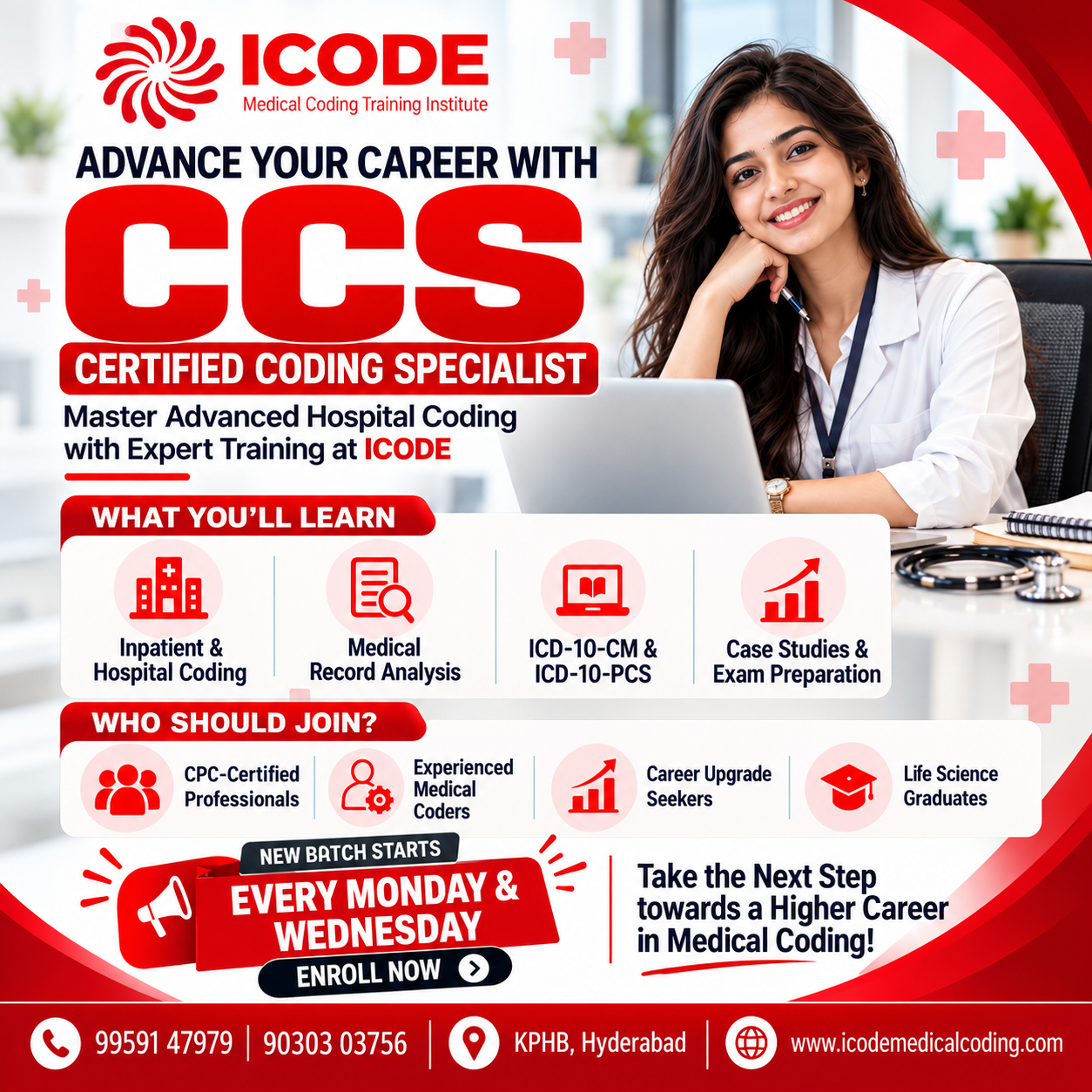
Top Medical Coding Training Fees in Hyderabad Category : Education
(No Ratings Yet)Loading...Spread the loveExplore Medical Coding Training Fees in Hyderabad with ICODE Medical Coding Training Institute. Get industry-focused Medical Coding Training in Hyderabad with practical learning, expert guidance, CPC exam preparation, and career-oriented training. ICODE offers a structured Medical Coding Course in Hyderabad designed to help students build strong coding skills and confidently begin their medical
Engineering Education That Inspires Innovation and Builds Future Careers Category : Education
(No Ratings Yet)Loading...Spread the loveAn engineering degree is more than an academic qualification. It is an opportunity to develop technical knowledge, strengthen problem-solving abilities, and turn creative ideas into meaningful work. At Solamalai College of Engineering, education combines academic development, technical exposure and career-oriented initiatives. Established in 1995, the autonomous institution offers undergraduate and postgraduate programmes across
Online SAP MM Course in Mumbai Category : Education
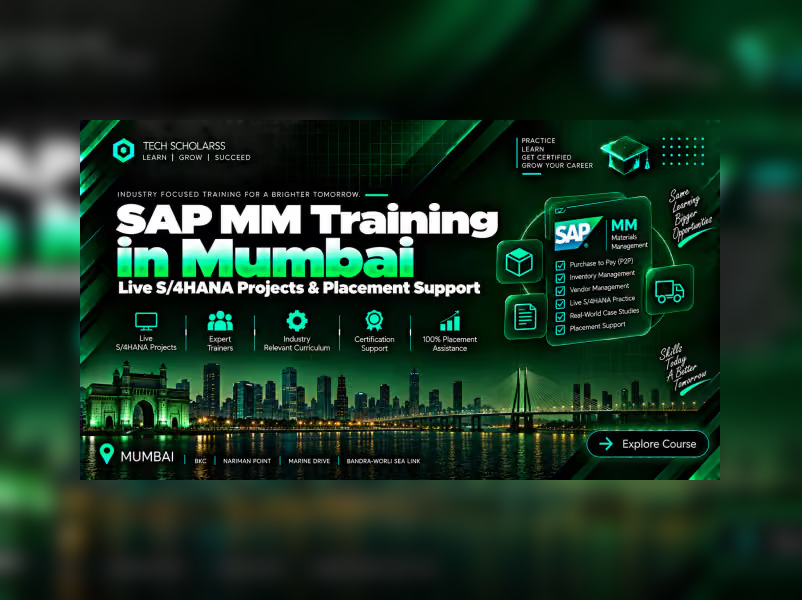
(No Ratings Yet)Loading...Spread the loveLearn SAP Materials Management from the comfort of your home with an Online SAP MM Course in Mumbai. This program is suitable for students and working professionals who want flexible learning opportunities. Explore procurement management, purchasing processes, vendor management, inventory control, goods receipt, goods issue, purchase orders and invoice verification. TechScholarss offers career-oriented
POISE InStyle Category : Education
(No Ratings Yet)Loading...Spread the lovePOISE InStyle is an online women’s magazine dedicated to sharing informative and inspiring content for modern women. Discover business ideas for women, inspiring stories of female entrepreneurs, women business news, and insights into women leadership. Explore topics covering career growth, startup ideas, beauty trends, mindfulness, mental wellness, and practical wellness tips. Whether you